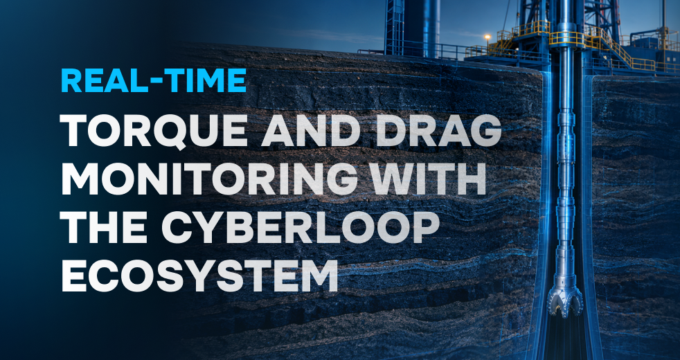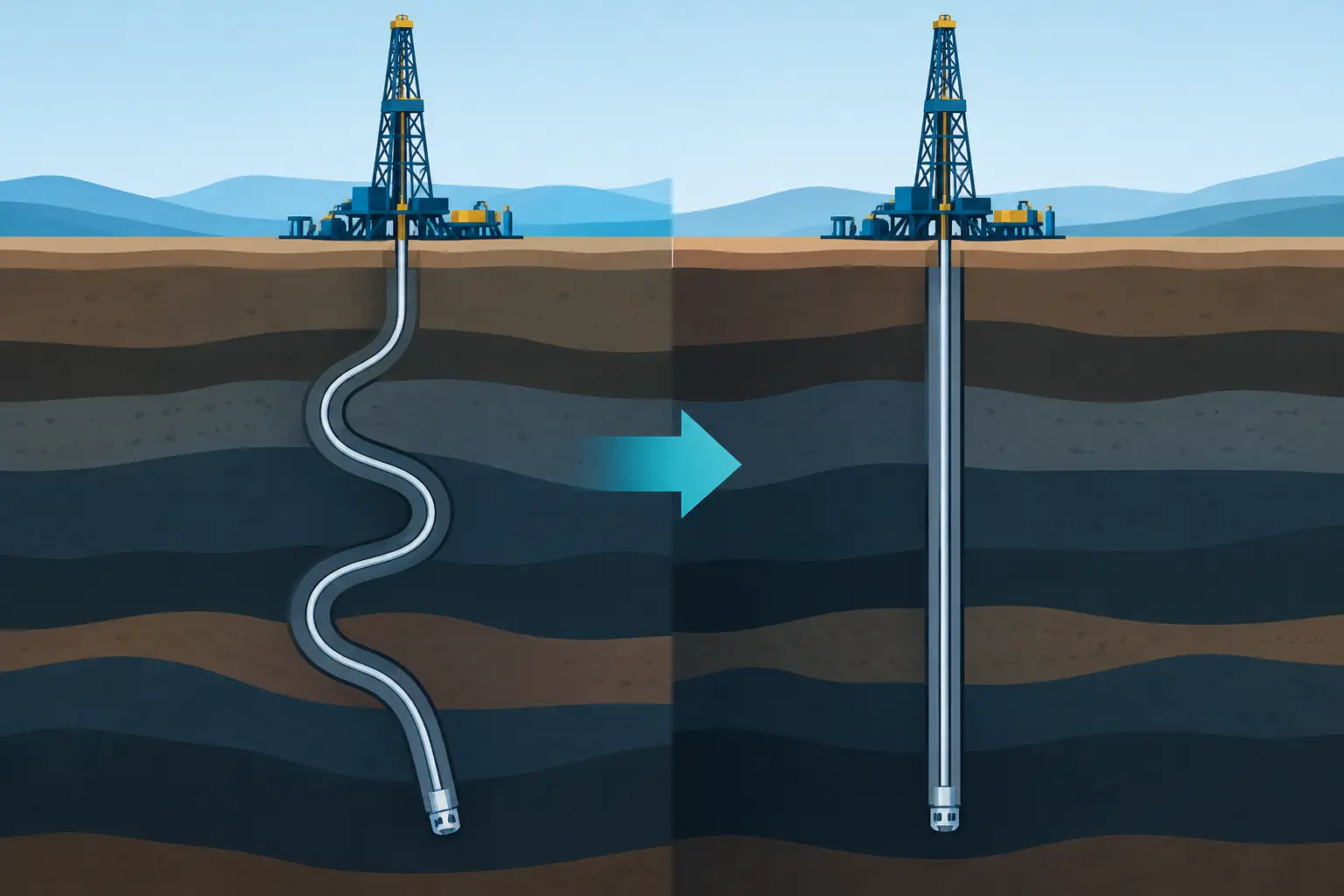
A well can stay within its planned target window and still develop a costly trajectory problem. While small adjustments in the trajectory are a routine part of the successful execution of a well, repeated larger changes in inclination and azimuth can create a tortuous wellbore, increasing torque and drag which can shorten laterals while also making casing and completion operations potentially more difficult.
Reducing tortuosity takes more than reviewing surveys. It requires the well plan, BHA, surface parameters, rig response, geosteering, and directional drilling to work together while drilling.
Why execution matters
Dogleg severity describes changes in wellbore direction, but a single value may not show all the variation that affects operations. Repeated small changes in inclination or azimuth can make a well difficult to steer in, run casing through, or complete. What can be identified also depends on survey spacing and measurement resolution.
The causes are rarely isolated. Formation changes, BHA response, motor yield, bit walk, toolface control, stick-slip, hole cleaning, and inconsistent parameter execution can all contribute. The challenge is to recognize a meaningful change early and respond before it becomes part of the drilled trajectory.
Connect the plan to real-time drilling response
A drillable well plan should reflect the steering capability of the selected BHA and provide some redundancy due to uncertainty expected in each section. Directional and Geological objectives should be clear, while leaving the team room to respond to actual downhole conditions.
Surface and downhole data help the team understand that response. Changes in torque, RPM, pressure, flow, hookload, vibration, and rate of penetration can signal a change in drilling behavior, but they do not by themselves prove that tortuosity is developing. They need to be interpreted alongside BHA mode, toolface, directional trends, and the current trajectory objective.
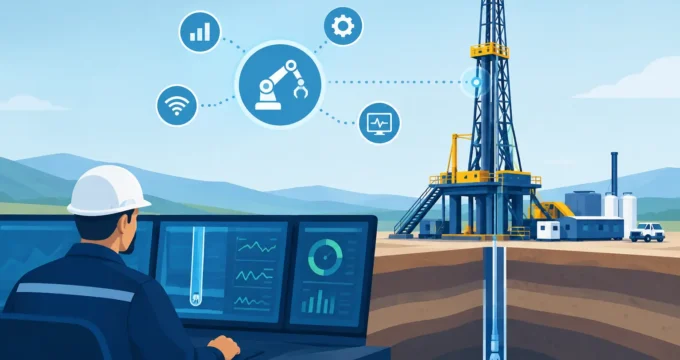
An integrated electronic drilling recorder can bring relevant rig data into a shared, time-aligned view. This is particularly useful during transitions such as starting a slide, entering a new formation, changing rotary parameters, or recovering after a connection.
Make small, consistent corrections
Waiting for a survey to confirm a significant departure can lead to larger corrections, which may create a counter-deviation. Projected trends and near-bit data can help the team consider smaller adjustments earlier.
Consistent parameter execution matters too. Unstable flow or RPM during a slide may lead to an inconsistent directional response. Changes in weight on bit during rotary drilling may affect bit walk or vibration. Clear operating windows and timely communication help the driller, geosteering team, and directional driller work toward the same objective.
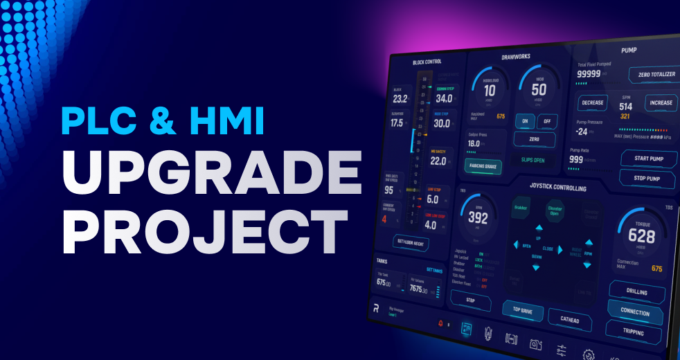
Automation can help hold repeatable targets and highlight when equipment response differs from the command. Drilling automation should operate within defined limits, supervisory authority, and escalation rules for the section. It can support routine control tasks while the team focuses on decisions that require engineering judgment.
Cyberloop experience in CBM multilateral drilling
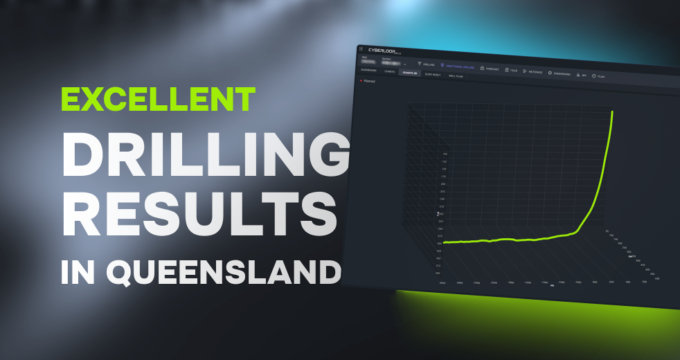
Cyberloop has applied this coordinated approach on coal bed methane (CBM) multilateral wells, where maintaining the well within the coal seam is critical to lateral-length performance. Close coordination between geosteering specialists and directional drillers while drilling helped the team respond to formation and trajectory changes and control key drilling parameters consistently.
This approach delivered repeatable results across multilateral wells and exceeded the lateral-length KPI, with in-seam laterals reaching more than 2,280 metres in seam using a downhole motor BHA.
Measure performance beyond dogleg severity
A tortuosity program should track both in-well indicators and downstream results. While drilling, teams can review inclination and azimuth trends, correction frequency, slide consistency, toolface response, vibration, parameter compliance, and the gap between projected and planned trajectories. After drilling, torque and drag, casing-running efficiency, reaming time, completion reach, and trajectory-related nonproductive time help show how the well path performed.
Lower tortuosity should not be the only objective. The aim is a wellbore smooth enough to support reliable construction and completion, drilled at an economically sound pace and within the planned directional envelope.
The key question is whether the drilling system is producing a controlled response and keeping the trajectory on track. When the team can see that response in context, it can make corrections while they are still small and keep the wellbore workable to total depth.